


Effective Planning and Execution of Safety Emergency Drills
12/11/20254 min read
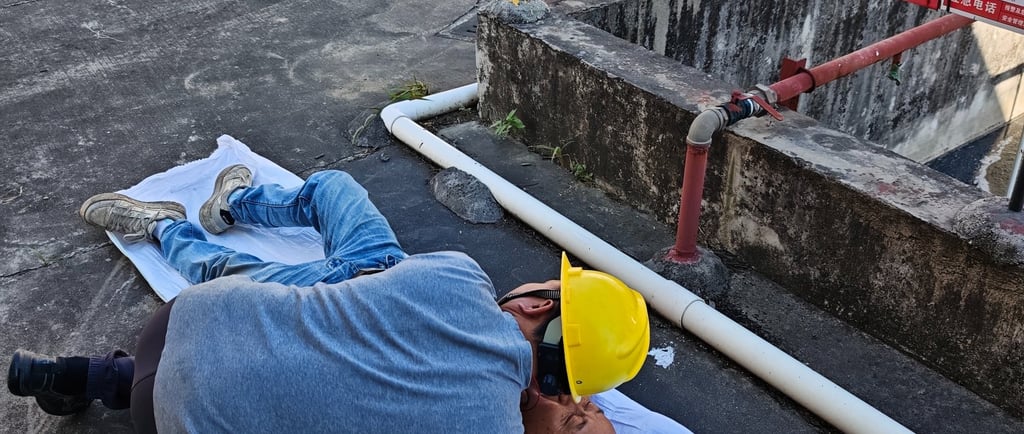
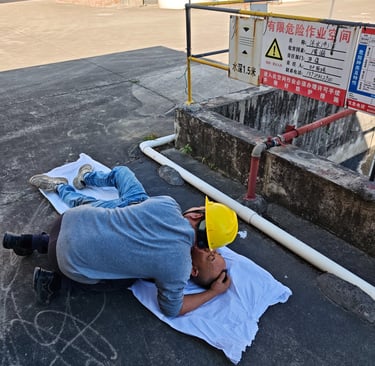
Importance of Safety Emergency Drills
Safety emergency drills play a crucial role in preparing individuals and organizations for real-life emergency situations, enhancing safety across various environments, such as workplaces, schools, and public spaces. By simulating potential emergency scenarios, these drills familiarize participants with protocols that can save lives and mitigate the impact of disasters. Regular practice ensures that everyone knows their roles and responsibilities during a crisis, thereby improving response times and reducing chaos in an already stressful situation.
Moreover, safety emergency drills are not merely beneficial; they are often mandated by legal and regulatory requirements. Various jurisdictions set forth guidelines mandating the performance of drills on a routine basis, ensuring that employees and students are ready to respond effectively in the event of an emergency. Compliance with these regulations not only fosters a safe environment but also protects organizations from potential liabilities incurred during emergencies. Failure to conduct these drills can result in penalties and loss of licenses for educational institutions and businesses alike.
Engaging in safety emergency drills is also a vital component of a comprehensive risk management strategy. By identifying potential hazards through the simulation of emergencies, organizations can develop actionable plans to address these risks. Implementing feedback mechanisms post-drill allows for continuous improvement, ensuring that the response protocols evolve in line with the ever-changing nature of risks. Overall, safety emergency drills serve a fundamental purpose in safeguarding individuals and resources, promoting a culture of preparedness, and ultimately delivering peace of mind within communities.
Planning and Preparation for the Drill
Effective safety emergency drills are predicated on thorough planning and preparation. The first step in this process is to establish clear and measurable objectives for the drill. These objectives should align with the overall safety plan and specific needs of the organization, ensuring that participants understand what is to be achieved during the drill. Clarity in objectives enhances focus and aids in evaluating the drill's effectiveness post-execution.
Once objectives are set, selecting an appropriate scenario is vital. The scenario must reflect realistic emergency situations that participants might encounter in their actual environment. This involves conducting a risk assessment to identify potential hazards specific to the organization's location and operations. By tailoring the drill scenarios to match the identified risks, one can ensure that participants are better prepared for real-life emergencies.
Determining the roles of participants is another crucial aspect of preparation. Clear role definitions facilitate efficient execution and help participants understand their responsibilities during the drill. Whether it’s first responders, safety officers, or other staff members, everyone should be informed well in advance regarding their expected involvement.
Effective communication strategies are integral to the drill’s success. Establishing a communication plan that outlines how information will be conveyed throughout the drill ensures that all participants are aware of their tasks and can react swiftly in an actual emergency. Additionally, resource allocation must be meticulously planned. This includes arranging for necessary equipment, supplies, and personnel to support the drill effectively.
Involving local emergency services and other stakeholders can provide additional insights and assist in creating a comprehensive drill. Their expertise can enrich the training experience and enhance the realism of the exercise. Finally, creating a realistic drill environment is essential for participant engagement. Utilizing props, setting up mock scenarios, and simulating actual conditions contribute to a more immersive experience that can better prepare individuals for handling emergencies.
Execution of the Safety Emergency Drill
The execution of a safety emergency drill is a critical component in ensuring preparedness for potential emergencies. To initiate the drill, it is essential to notify all participants in advance of the schedule, while keeping the exact details of the drill confidential to simulate authentic emergency conditions effectively. This approach allows participants to respond without preconceived notions, thereby simulating a real-world emergency experience more accurately.
Engaging participants is crucial during the execution phase. As the drill commences, it is vital to assign specific roles and responsibilities, ensuring that everyone knows their functions within the emergency response structure. Utilizing clear communication tools, such as radios or alarms, reinforces the urgency of participation. Encouragement and reminders of the importance of teamwork can also be instrumental in maintaining engagement throughout the drill.
Simulating emergency conditions must be conducted with strict adherence to established safety protocols. While the drill aims to mimic an actual emergency, the safety of all participants remains the highest priority. It is vital to ensure that all scenarios are presented in a controlled manner, thereby minimizing any risk of injury or distress during the exercise. Regularly scheduled pauses provide opportunities to address any potential hazards or safety concerns, keeping participants informed and secure.
Monitoring the drill is an integral part of executing a successful safety emergency drill. Designated observers should be present to assess participants' actions and gather insights into their performance. After the completion of the drill, conducting debriefing sessions allows for a thorough review of participant responses and highlights areas for improvement. Such feedback is essential for refining future drills and enhancing the preparedness of everyone involved, ultimately contributing to a more effective emergency response strategy.
Evaluation and Improvement Post-Drill
Evaluating the effectiveness of safety emergency drills is a crucial component of the overall safety management process. Following the execution of a drill, it is essential to conduct debriefing sessions that involve all participants. These sessions provide a platform for discussion, allowing participants to share their experiences, observations, and any challenges they faced during the drill. This interaction fosters a culture of open communication, ensuring that everyone can contribute to the evaluation process.
Gathering feedback from participants is fundamental in assessing the effectiveness of safety emergency drills. Surveys or questionnaires can be distributed to collect quantitative and qualitative data about the drill's execution. This feedback should focus on various aspects including clarity of instructions, accessibility of exit routes, efficiency of communication during the drill, and overall participant engagement. By critically analyzing this feedback, organizations can identify areas requiring improvement and determine if drills met their pre-defined objectives.
In addition to participant feedback, analyzing drill outcomes against the set objectives is vital. Did the drill achieve its intended goals, such as evacuation time, compliance with safety protocols, or adherence to emergency procedures? A clear comparison will help ascertain the drill's effectiveness, guiding enhancements in future drills, training programs, and safety protocols. Proper documentation of findings is equally important. Detailed reports should list the observations, feedback, and recommendations generated from the evaluation process. This documentation serves not only as a reference for future drills but also as a record to demonstrate continuous improvement in organizational safety practices.
Ultimately, the evaluation and improvement post-drill is not just about assessing a singular event; it represents an ongoing commitment to enhance emergency readiness and safety procedures within the organization.